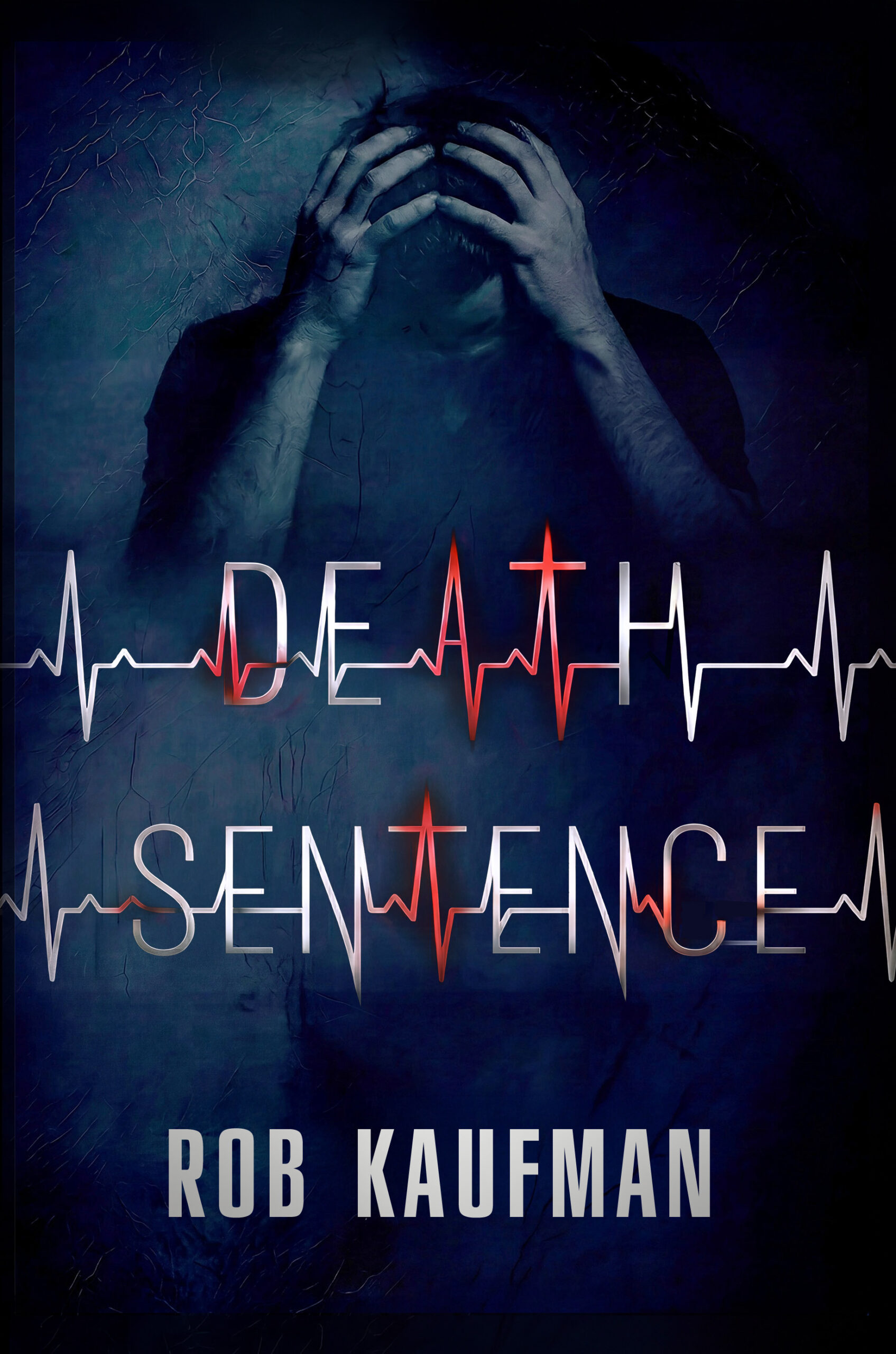
Writing psychological thrillers sounds glamorous—dark rooms, dramatic twists, whispered secrets—but let me tell you, it’s a wild ride from the writer’s chair. As an author, I spend an absurd amount of time living inside the minds of characters who probably shouldn’t be left unsupervised. And yes, that does take a toll.
One of my biggest challenges is balancing clarity with confusion. Psychological thrillers thrive on misdirection, but I still need you, my readers, to feel intrigued, not like you’ve wandered into the wrong book. Too many clues, and the suspense evaporates; too few, and you’re ready to throw your Kindle or paperback across the room. I walk that tightrope with every chapter, hoping I don’t fall to my narrative death somewhere around Chapter 4.
Then there’s the emotional cost. To write fear convincingly, I have to feel it myself. That means diving into the darker corners of the human mind and staying there long enough to make it believable. It’s creative… but it’s also the reason my friends occasionally ask, “Are you okay?” when they peek at my search history or hear “no” every time they ask me to go out.
And characters? They’re the trickiest part. They demand depth—wounds, secrets, motivations that make sense even when they behave in ways that absolutely don’t. Crafting those layers feels a bit like psychological archaeology: dusting off emotional fossils while hoping I don’t break anything important.
And, of course, you expect a twist. A big one. The kind that shocks you but also makes you say, “Ohhh… I should’ve seen that coming.” Pulling that off without cheating feels like performing emotional sleight of hand.
But in the end, despite the chaos, I love it. Because when you gasp at a reveal or message me at 2 a.m. saying, “I DID NOT SEE THAT COMING”—well… that’s why I do this.
And if someday I accidentally outsmart myself while plotting? Please send snacks.